How to identify a speciality coffee
7 May 2025
A professional guide to spotting a genuinely good coffee and steering clear of the mediocre kind
In a market saturated with empty promises, telling a premium coffee from an ordinary one is crucial for your palate and your pocket. This guide shows you, step by step, the technical indicators that confirm the quality of a speciality coffee and why it is worth banishing torrefacto coffee from your kitchen.
Key points — express checklist
-
Traceable origin: farm, region and altitude clearly stated.
-
100% Arabica: a guarantee of a complex sensory profile.
-
Roast date visible: no more than 30 days before you buy.
-
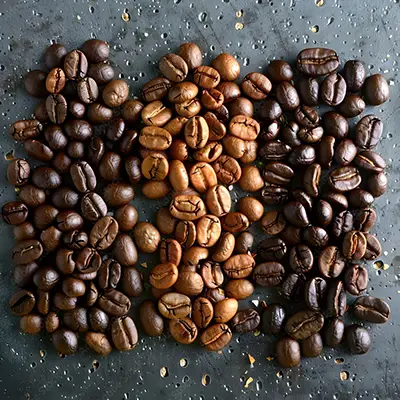
Intact, uniform beans: no breakage or excess oils.
-
Fresh aroma when you open the bag: clean notes, no hint of staleness.
-
Balanced flavour in the cup: bright acidity, natural sweetness, silky body.
1. Origin: the fingerprint of good coffee
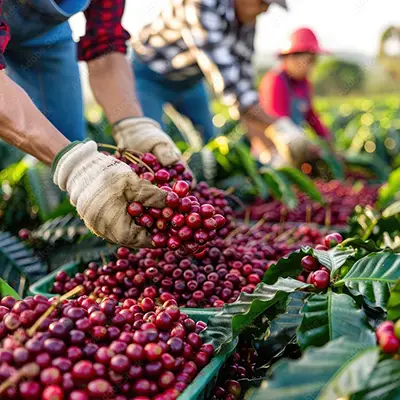
An exceptional coffee always reveals where it comes from, precisely — country, region, farm and altitude. Traceability is not marketing; it is a commitment to quality and sustainability.
Tip: look for packaging that says “single origin” or “single farm”; serious roasters state it so you know where the coffee comes from.
2. Arabica vs. Robusta: why the variety matters
-
Arabica (Coffea arabica): floral, fruity and chocolatey notes; less caffeine, greater smoothness.
-
Robusta (Coffea canephora): harsh body, intense bitterness, more caffeine.
The “100% Arabica” seal is a gold standard. If the pack blends varieties without explaining it, there is reason to be suspicious.
3. Torrefacto coffee: public enemy no. 1
Torrefacto adds sugar during roasting to mask defective beans. The result: a burnt taste, a loss of antioxidants and the potential formation of acrylamides. Avoid it: just read the label — if it says “torrefacto 15%” or “mix”, leave it on the shelf.
4. Freshness: the time factor
Every day after roasting, coffee gradually loses its aromatic compounds.
-
Best time to drink: 4 to 30 days after roasting.
-
Bag with a one-way valve: lets the gas escape without letting oxygen in.
If the expiry date replaces the roast date, the product puts logistics ahead of quality.
5. Processing: the DNA of flavour
-
Washed – medium body, clean acidity, floral and citrus notes.
-
Natural – dense body, high sweetness, red-fruit flavours.
-
Honey – a balance between sweetness and acidity, silky texture.
Knowing the process helps you choose the profile you enjoy most (e.g. “fruity natural Ethiopian coffee”).
6. Roast level: light & medium rule
Light and medium roasts respect the terroir of the bean. A roast that is too dark homogenises profiles, dominates with bitterness and can hide defects. Always ask for roast curves or profiles if you buy from a local roaster.
7. Cupping: the final verdict
A speciality coffee shows:
| Parameter | What to expect | Warning signs |
|---|---|---|
| Acidity | Bright, refreshing | Sharp and aggressive, or absent |
| Sweetness | Natural, reminiscent of panela, honey or fruit | Absent or overwhelmed by bitterness |
| Body | Silky, enveloping | Watery or harsh |
| Aftertaste | Lingering, pleasant | Metallic or burnt |
Practise with the SCA flavour wheel and keep a record of your notes — it will help you refine your palate and describe what you drink (e.g. “notes of jasmine and peach in a long finish”).
Conclusion: quality without compromise
Telling an excellent coffee apart requires assessing origin, variety, freshness, processing and roast. With this guide you will avoid mediocre coffee and raise your sensory experience — every sip will tell the story of its land.
Next step
Ready to try a coffee that makes a difference?
➡️ Discover our selection of freshly roasted speciality coffees and get premium aroma and flavour delivered straight to your door.
Delivery 24–48 h · Weekly roasting · Satisfaction guaranteed